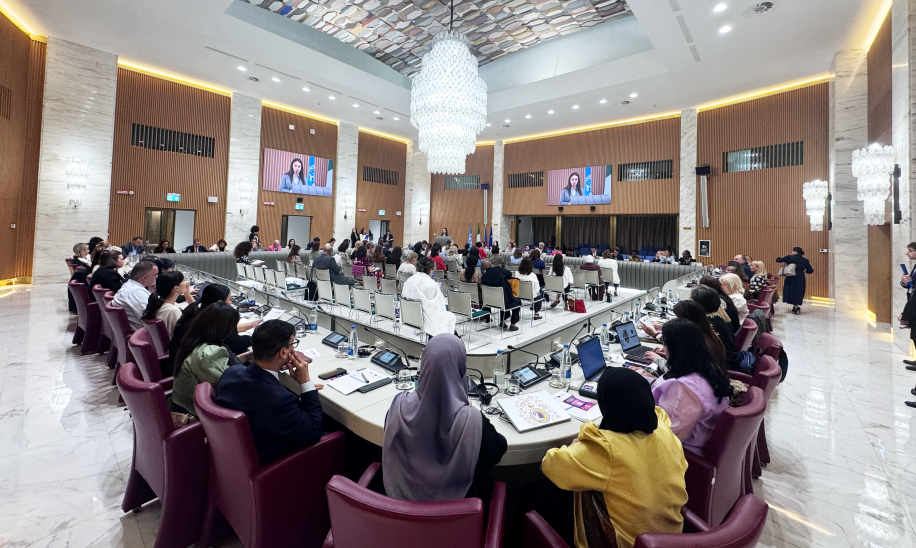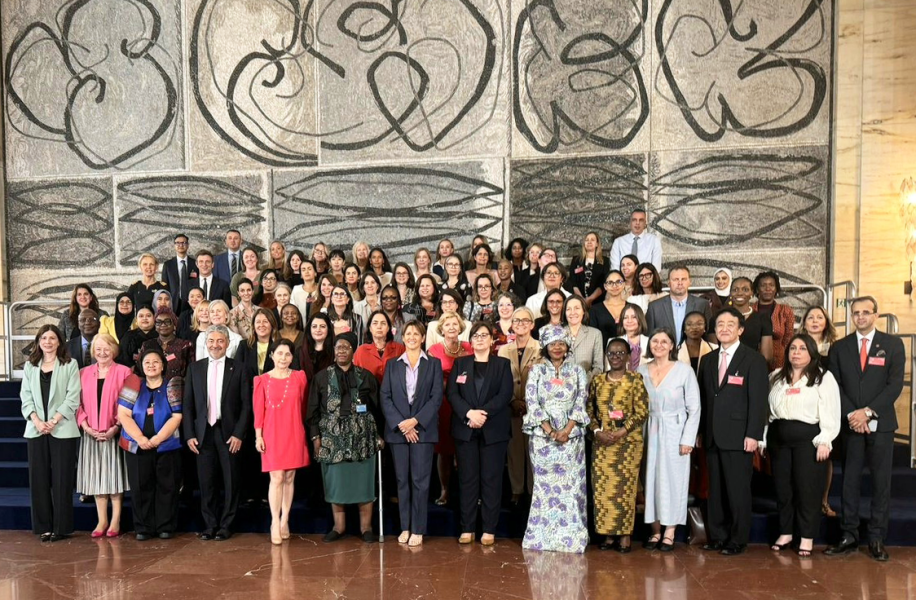
The Ministry of Internal Affairs of the Republic of Moldova (MIA) participated in the Eighth Capital-Level Meeting of the WPS Focal Points Network, held in Rome on 9 – 10 June under the co-chairmanship of Italy and the Philippines.
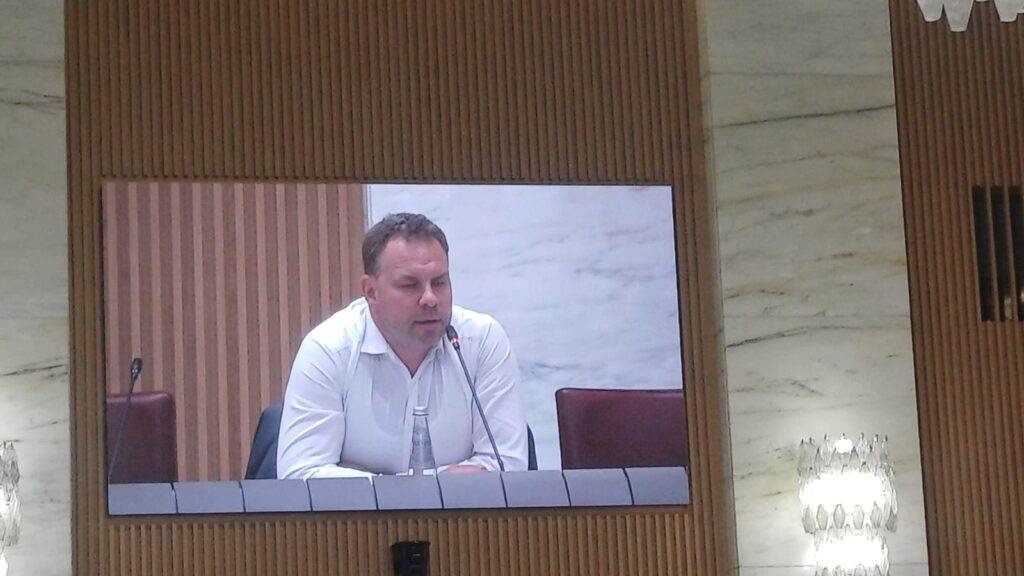
Representing the MIA, Nicolae Văscăuțan, a member of the Secretariat 1325 responsible for coordinating the implementation of the National Programme on the implementation of United Nations Security Council Resolution 1325 (2023–2027), shared Moldova’s experience in addressing emerging security challenges during the thematic panel discussions “Digital Frontiers: Inclusion and Risks”.
Participants examined the impact of evolving security threats, including protracted conflicts, disinformation, rapid technological change, and the shrinking civic space, on the implementation of the Women, Peace and Security Agenda. Discussions underscored the need for stronger international cooperation and sustained political commitment to ensure the effective implementation of United Nations Security Council Resolution 1325.
Marking the WPS FP Network’s tenth anniversary, member states adopted a joint communiqué reaffirming that gender equality, inclusion, and respect for human dignity are fundamental pillars of sustainable peace. The communiqué also reaffirms the members’ commitment to safeguarding the normative framework established by Resolution 1325 while advancing its effective implementation at the national, regional, and global levels.
The document further emphasizes the importance of increasing women’s participation in peace and security decision-making, strengthening protection against gender-based violence, countering hate speech, disinformation, and technology-facilitated abuse, and ensuring adequate financial resources for the implementation of National Action Plans under the Women, Peace and Security Agenda.
Established in 2016, the Women, Peace and Security Focal Points Network is the leading international platform for coordination and the exchange of good practices in implementing the Women, Peace and Security Agenda. It currently brings together 110 members, including 100 United Nations Member States and 10 regional organizations.