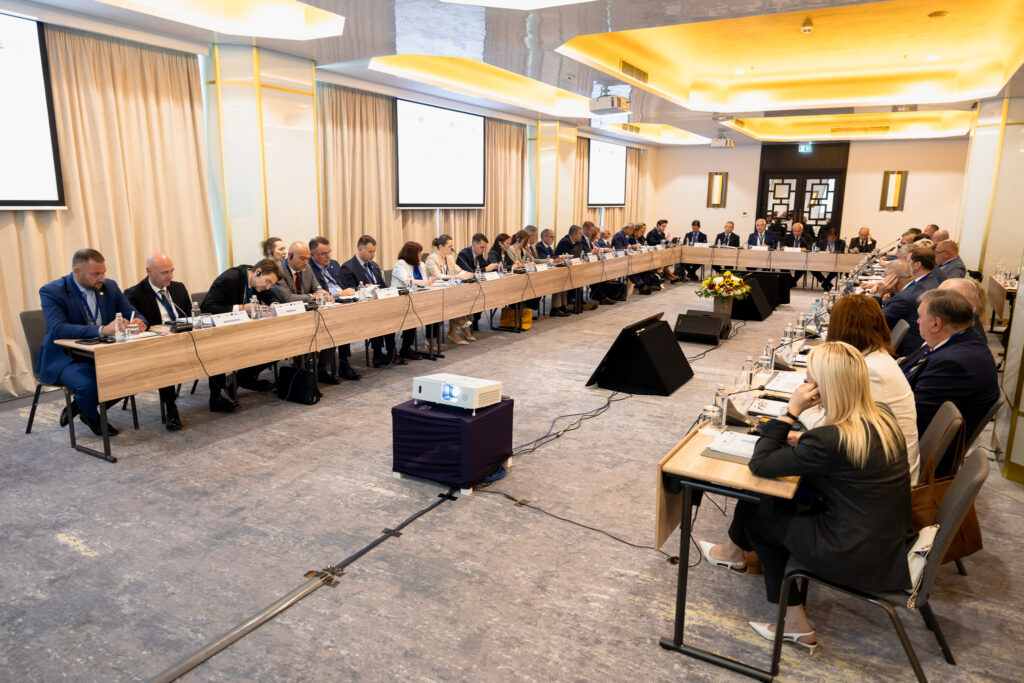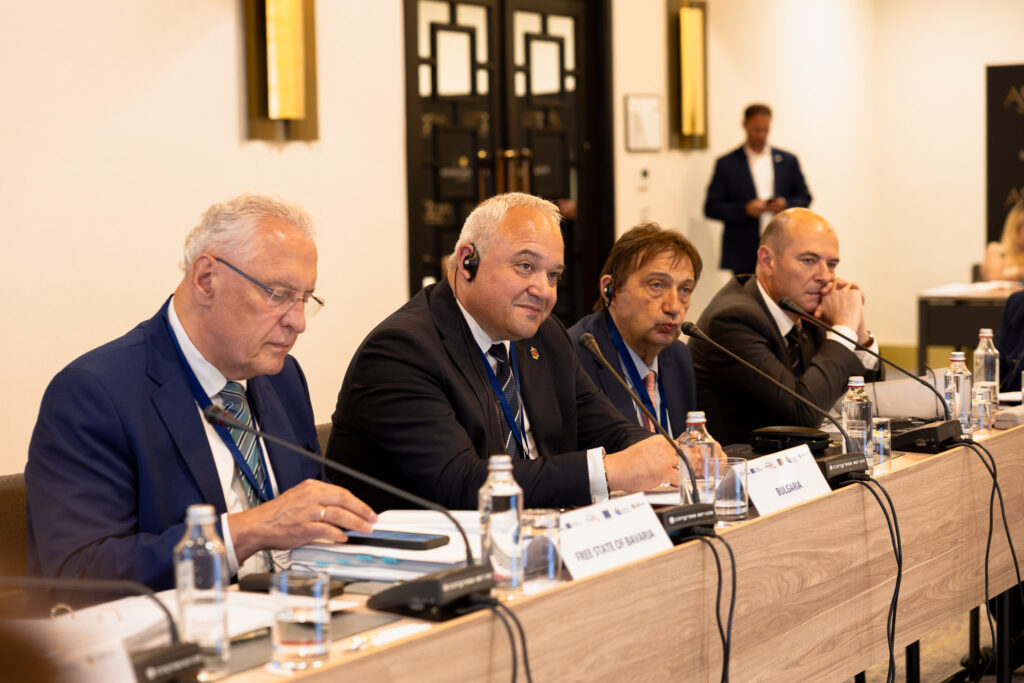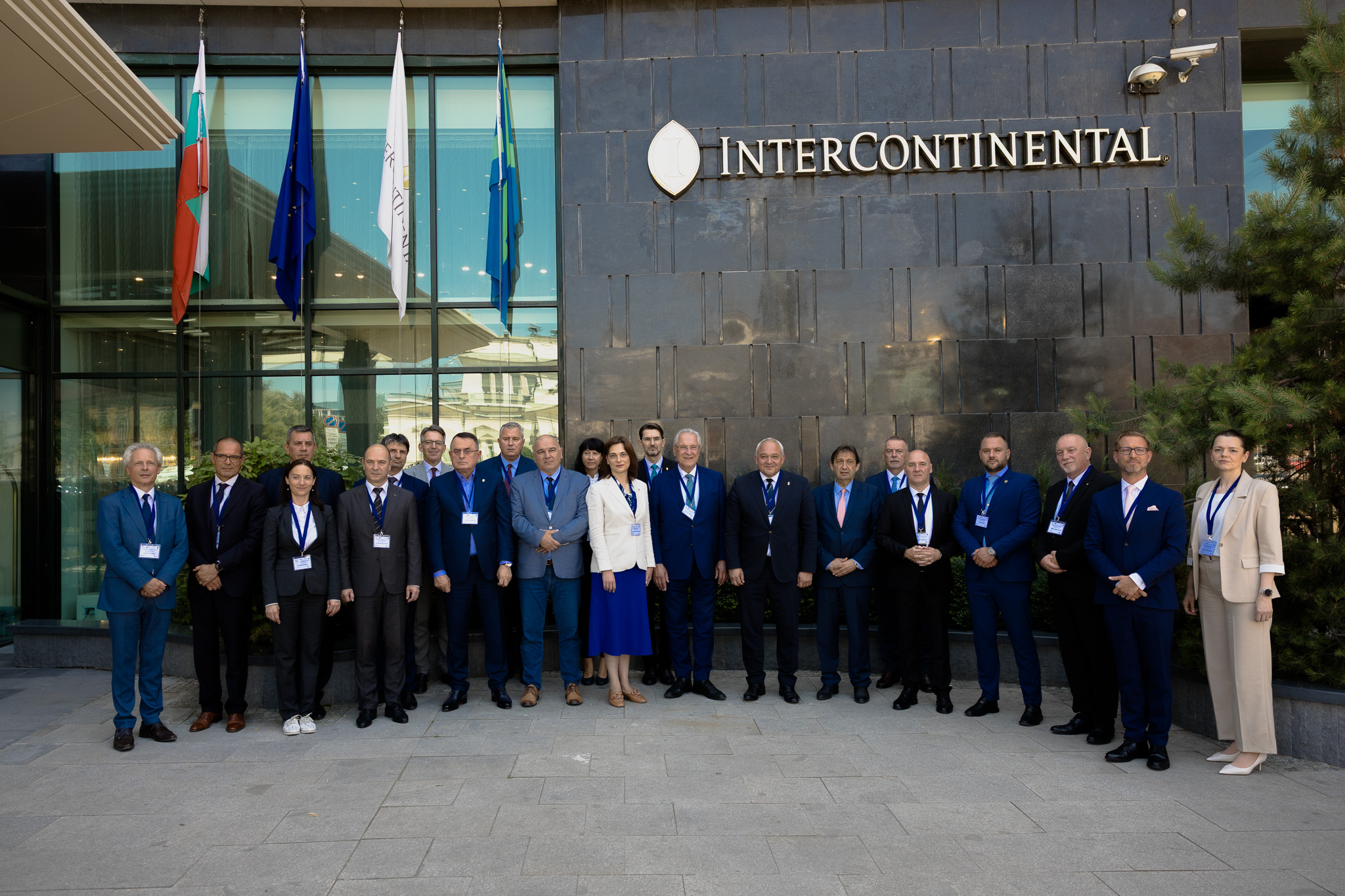
Combating hybrid threats, cybercrime, terrorism, and violent extremism, as well as developing joint responses to regional security challenges, were among the key topics discussed at the Conference of the Ministers of Interior of the European Union Strategy for the Danube Region (EUSDR) States, held on 29 – 30 June in Sofia, Bulgaria.
For Moldova, participation in this event provided an important opportunity to contribute to shaping regional security solutions, learn from the experience of European partners, and showcase the measures implemented nationally to protect citizens. Enhanced cooperation among states also strengthens the collective capacity to protect citizens and institutions against cyberattacks, organized crime, and other cross-border threats.
Organized by the Ministry of the Interior of the Republic of Bulgaria as part of the Bulgarian Presidency of the EUSDR, the event marked the 15th anniversary of the Strategy and brought together interior ministers and representatives of participating states to discuss the evolving security landscape in the Danube Region.
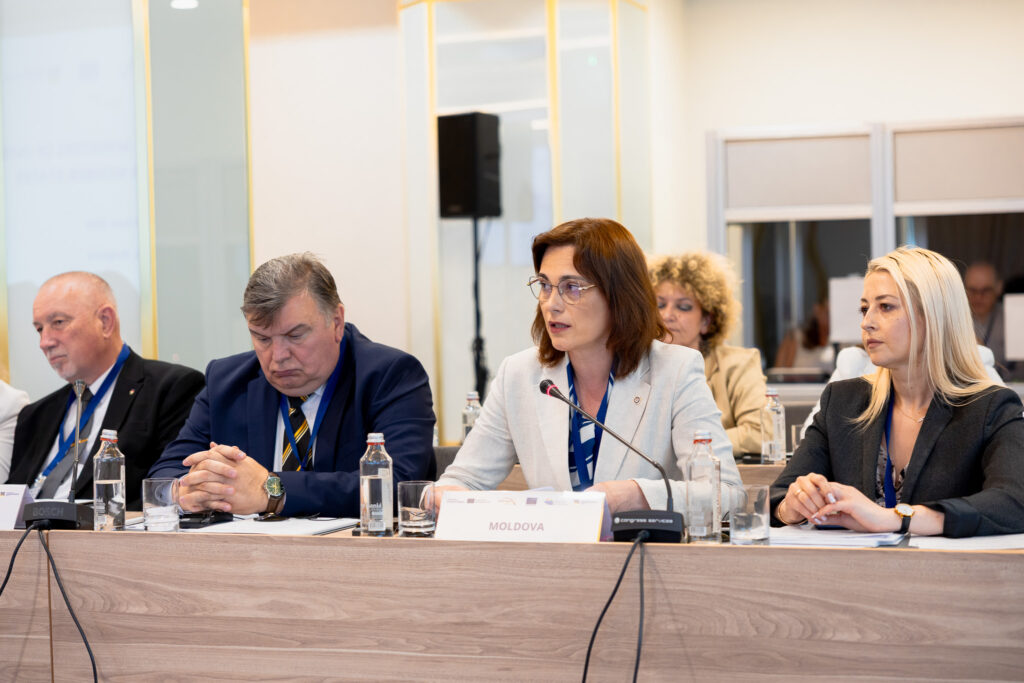
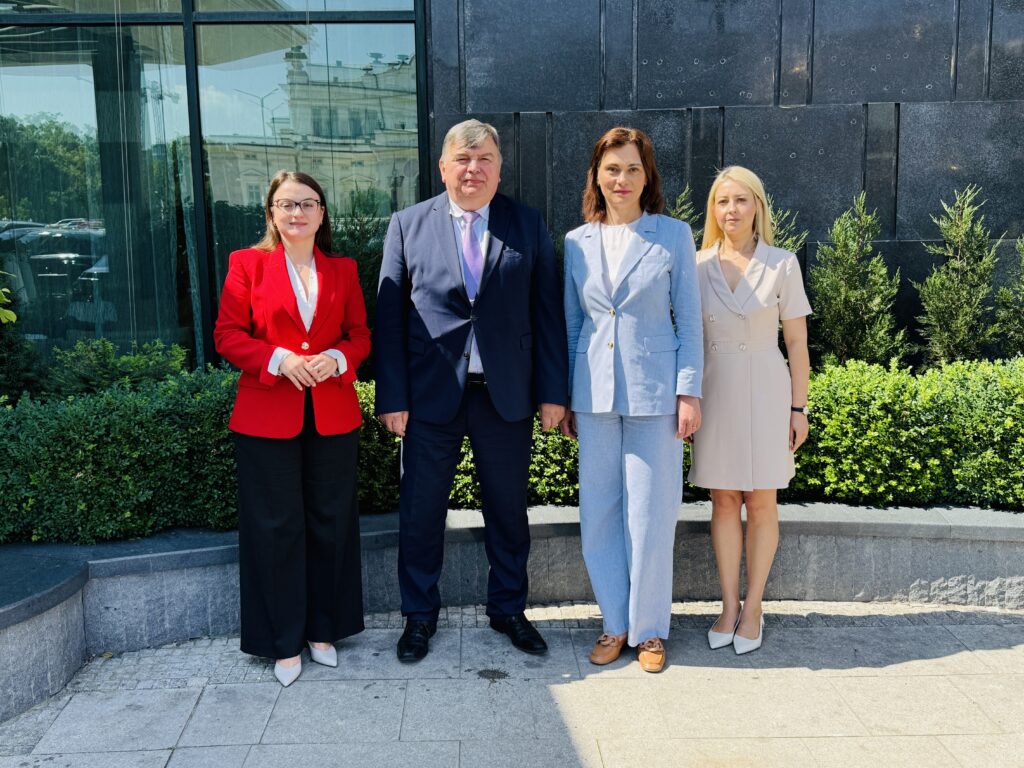
The Republic of Moldova was represented by Minister of Internal Affairs Daniella Misail-Nichitin, who shared the country’s experience in addressing hybrid threats in recent years, including efforts to counter attempts to interfere with democratic processes, combat illicit financing schemes, and respond to cyberattacks targeting public institutions.
In her address, the Minister stressed that today’s security challenges can no longer be tackled in isolation. Organized crime, cyberattacks, disinformation, radicalization, and illicit financing are increasingly being used as tools to undermine state stability and erode public trust in democratic institutions.
She also outlined the measures undertaken by Moldova to strengthen national cybersecurity capabilities, including the modernization of the Center for Combating Cybercrime, the launch of a national platform for reporting online crimes, the establishment of a 24/7 cyber incident alert system, progress in transposing the NIS2 Directive, and initiatives to protect critical infrastructure, particularly in the energy sector.
At the same time, Moldova encouraged participating states to make greater use of the European Union Security Hub in Chișinău as a regional platform for information exchange, specialized training, joint exercises, and coordinated responses to hybrid and cyber threats.
At the end of the conference, the interior ministers adopted Joint Conclusions underscoring the importance of placing security at the forefront of European policies and programmes, while strengthening international cooperation to address hybrid threats, cybercrime, terrorism, violent extremism, and radicalization.
Moldova’s participation in this meeting reflects the country’s growing role as an active contributor to regional security and opens new avenues for cooperation that enhance the protection of citizens, strengthen institutional capacities, and support continued alignment with European standards in the field of home affairs.