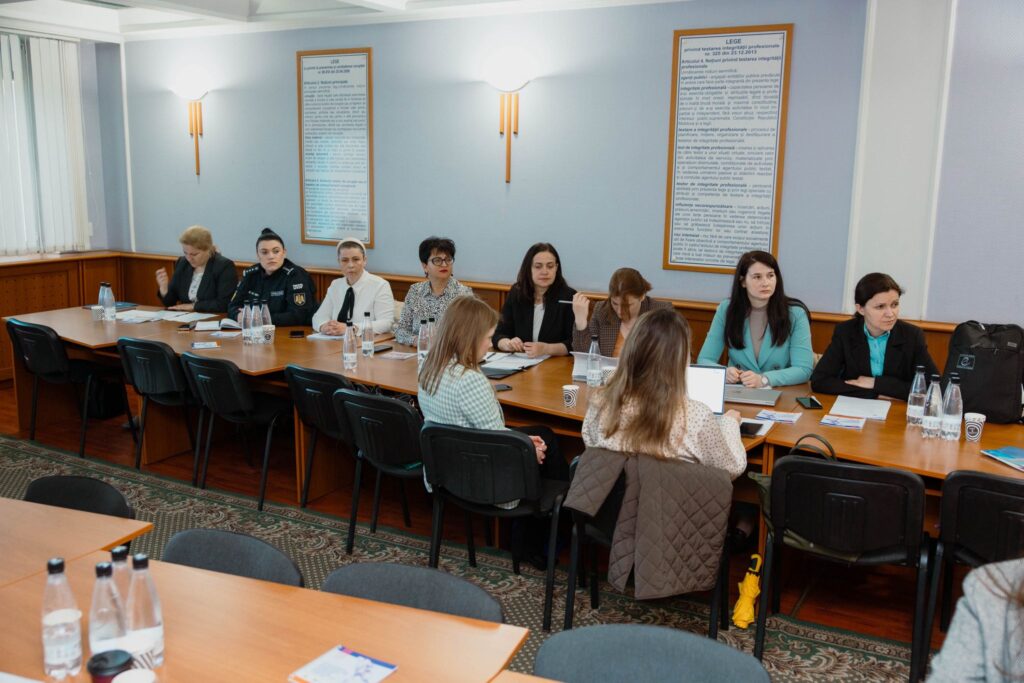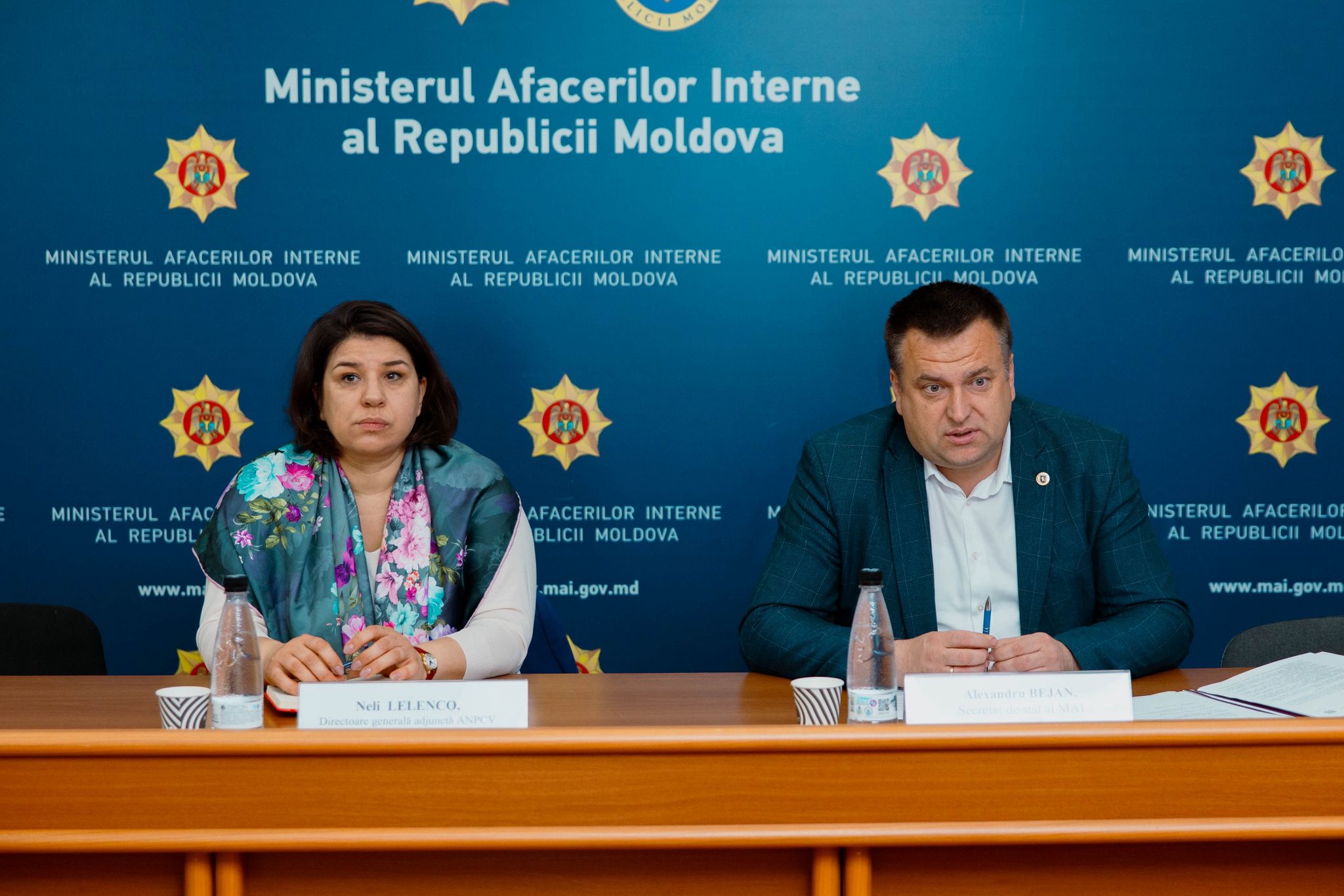
The Ministry of Internal Affairs hosted a regular meeting of the Commission for Monitoring and Analysis of Domestic Violence Cases Resulting in Death or Serious Bodily Injury (Femicide Commission).
The meeting was chaired by State Secretary Alexandru Bejan and brought together representatives of institutions responsible for health, social protection, justice, and the prevention and combatting of violence, as well as development partners supporting efforts to strengthen the national response to domestic violence.
During the meeting, the Commission’s 2025 Activity Report was presented. The report provides a comprehensive analysis of serious and particularly serious cases of domestic violence and confirms that this phenomenon remains a major challenge for public safety, social protection, and the protection of human rights, with a pronounced gender dimension.
In 2025, the Commission examined 68 cases of domestic violence resulting in serious or fatal consequences, including 13 cases of femicide. Although the number of femicide cases has declined compared to previous years, the report shows that violence against women remains a persistent pattern, and that the risk of escalation to lethal forms continues to require a proactive, consistent, and coordinated institutional response.
The Commission’s findings indicate that severe acts of violence often occur in the context of pre-existing vulnerabilities and identifiable risk factors, including repeated family conflicts, alcohol abuse, a history of violent behavior, economic hardship, social isolation, or perpetrators already known to the authorities. These findings underscore the need for earlier intervention and closer monitoring of high-risk cases.
The report also highlights the need to strengthen mechanisms for recording, reporting, and analyzing serious incidents. A complete and accurate understanding of the phenomenon is essential for evidence-based decision-making, the effective allocation of resources to high-risk areas, and the development of public policies capable of preventing the recurrence or escalation of violence.
A key finding of the analysis is the strong correlation between alcohol abuse, social vulnerability, and the escalation of violence. The report emphasizes that these challenges must be addressed through an integrated approach that combines prevention, counseling, behavioral monitoring, and access to support services for individuals and families at risk.
The report further draws attention to the situation of children directly or indirectly affected by domestic violence. Risk assessment, access to psychological support, and the inclusion of children in protection mechanisms remain essential components of an effective institutional response.
During the meeting, members reviewed the report’s recommendations, including the modernization of data collection tools, stronger intervention mechanisms in high-risk cases, ongoing professional training, expanded prevention and awareness activities, and enhanced institutional accountability in the protection of victims.
In the coming period, institutional efforts will focus on improving the monitoring of serious cases, strengthening the early identification of at-risk situations, and ensuring the more effective implementation of protective measures for victims. At the same time, authorities will continue to enhance cooperation among law enforcement agencies, social services, health care providers, educational institutions, and the justice system to ensure that the response to domestic violence is faster, better coordinated, and increasingly preventive.