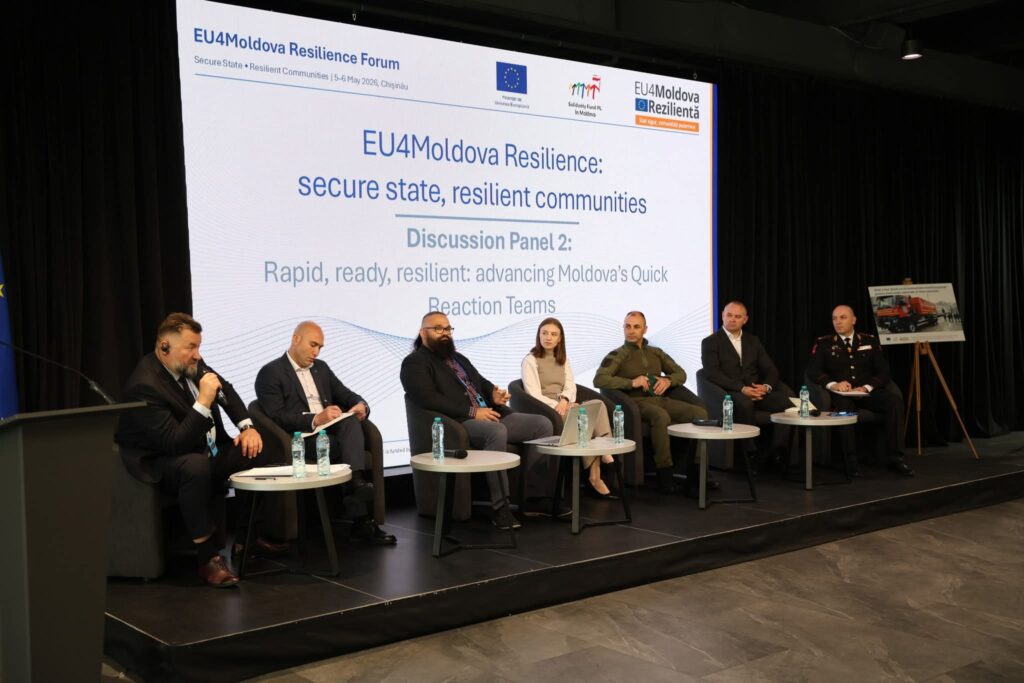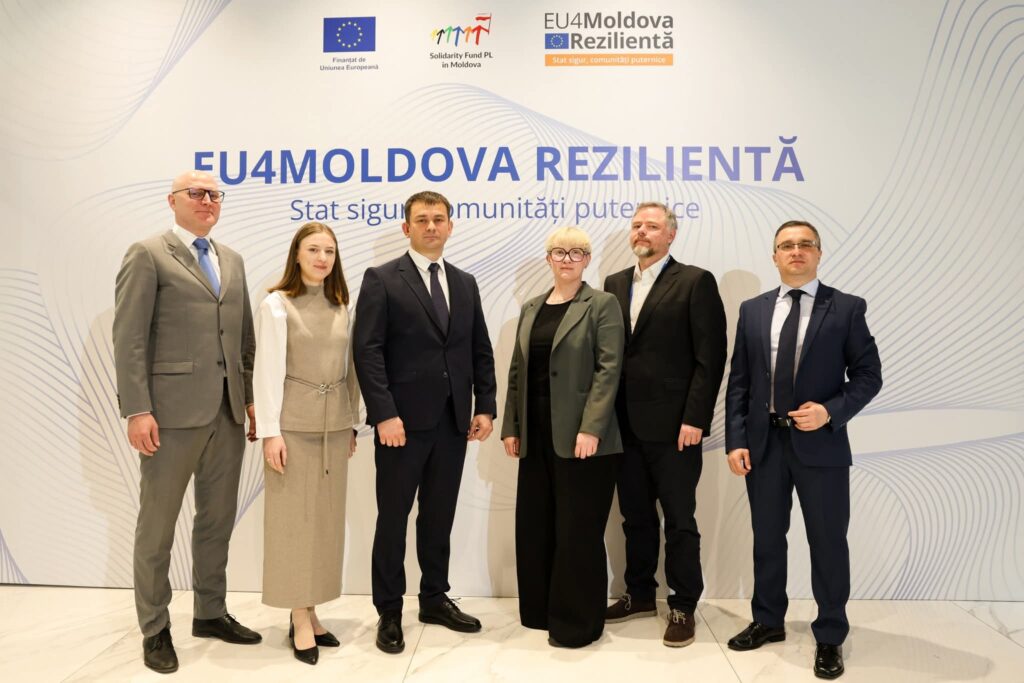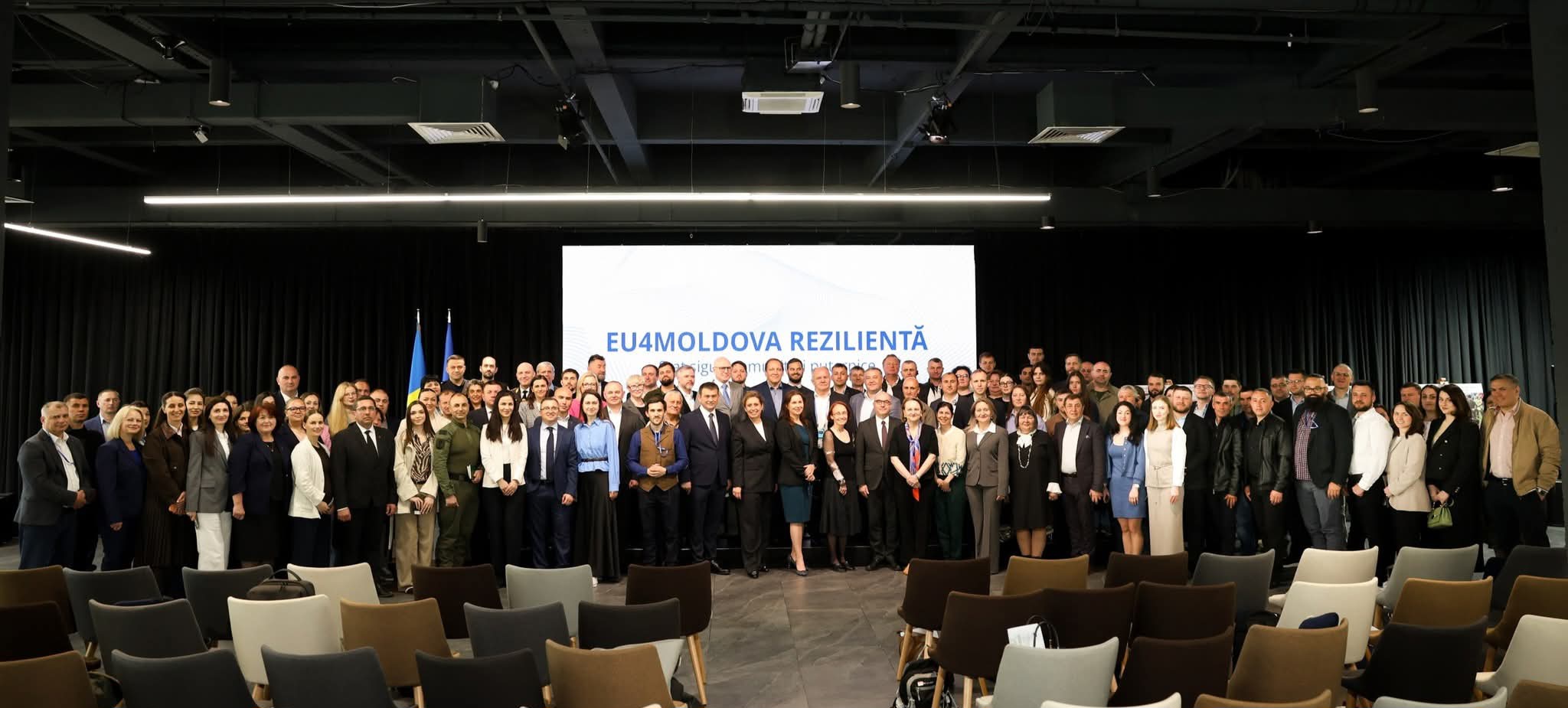
The Ministry of Internal Affairs participated today in the opening of the “EU4Moldova Resilience: Safe State, Strong Communities” forum – an event that brought together public institutions, local authorities, experts, and European partners to discuss an issue of direct importance to the security of the Republic of Moldova: the ability of the state and its communities to withstand, respond to, and adapt in the face of crises.
In his address, the Secretary General of the Ministry of Internal Affairs, Valentin Cioclea, emphasized that for the Ministry, resilience is an integral part of state reform and of Moldova’s European integration path. It means institutions capable of operating under pressure, public services that remain functional in times of disruption, rapid response mechanisms, and communities prepared to act in close coordination with authorities.
This approach marks a strategic shift. Moldova is moving beyond ad hoc crisis management toward the development of a comprehensive resilience architecture – one in which internal affairs, civil protection, critical infrastructure, public order, border security, migration management, and European cooperation are treated as interconnected components of a single security system.
In this context, civil protection plays a central role. The new National Civil Protection Development Program for 2026 – 2030, the modernization of training mechanisms, and the strengthening of local response capacities are enhancing the state’s ability to act before risks escalate into crises. The focus is increasingly placed on prevention, preparedness, coordination, and rapid intervention.
The same strategic logic applies to critical infrastructure protection. Safeguarding essential services and the state’s core functions is becoming an integral component of national security. Through the development of its critical infrastructure protection framework, Moldova is reinforcing its capacity to ensure the continuity of public, economic, and social services during periods of disruption.
For citizens, resilience is most visible through rapid emergency response. The launch of the 112MD application and the continued development of the MD-ALERT system demonstrate the Ministry’s commitment to modern digital solutions that reduce response times, improve geolocation accuracy, facilitate communication with emergency services, and strengthen public warning capabilities. In high-risk situations, such tools can make the difference between vulnerability and protection.
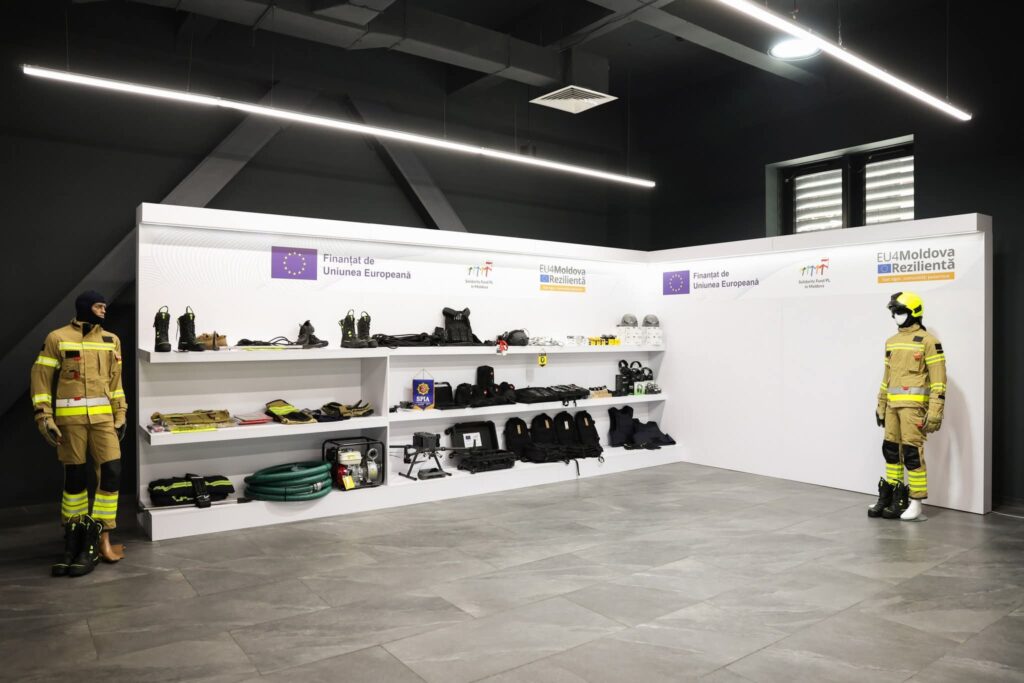
Resilience is also built at the local level. The development of volunteer fire services, investment in equipment, specialized training for volunteers, and close cooperation with local public authorities are bringing emergency response closer to citizens while strengthening community ownership and responsibility. Better prepared communities make the state stronger, while stronger institutions provide communities with confidence and tangible support.
A key strategic dimension of this transformation is Moldova’s connection to European civil protection mechanisms. Participation in the European Civil Protection Mechanism provides access to a system of solidarity, coordinated assistance, and shared expertise, while also demonstrating the country’s capacity to contribute to joint international response efforts. This dimension places civil protection at the heart of its alignment with European standards.
For the Ministry of Internal Affairs, European integration means more than legislative alignment. It means stronger institutions, enhanced administrative capacity, effective response mechanisms, and greater security for citizens. In the context of reforms under Chapter 24, resilience has become a practical measure of the state’s ability to protect its population, preserve essential functions, and act as a credible partner within the European security framework.
Through its participation in the EU4Moldova Resilience Forum, the Ministry of Internal Affairs reaffirms its strategic commitment to building a state that is better prepared, more connected, and more capable of responding to today’s complex challenges. Moldova’s resilience is built through effective institutions, engaged communities, and European partnerships that deliver tangible results.