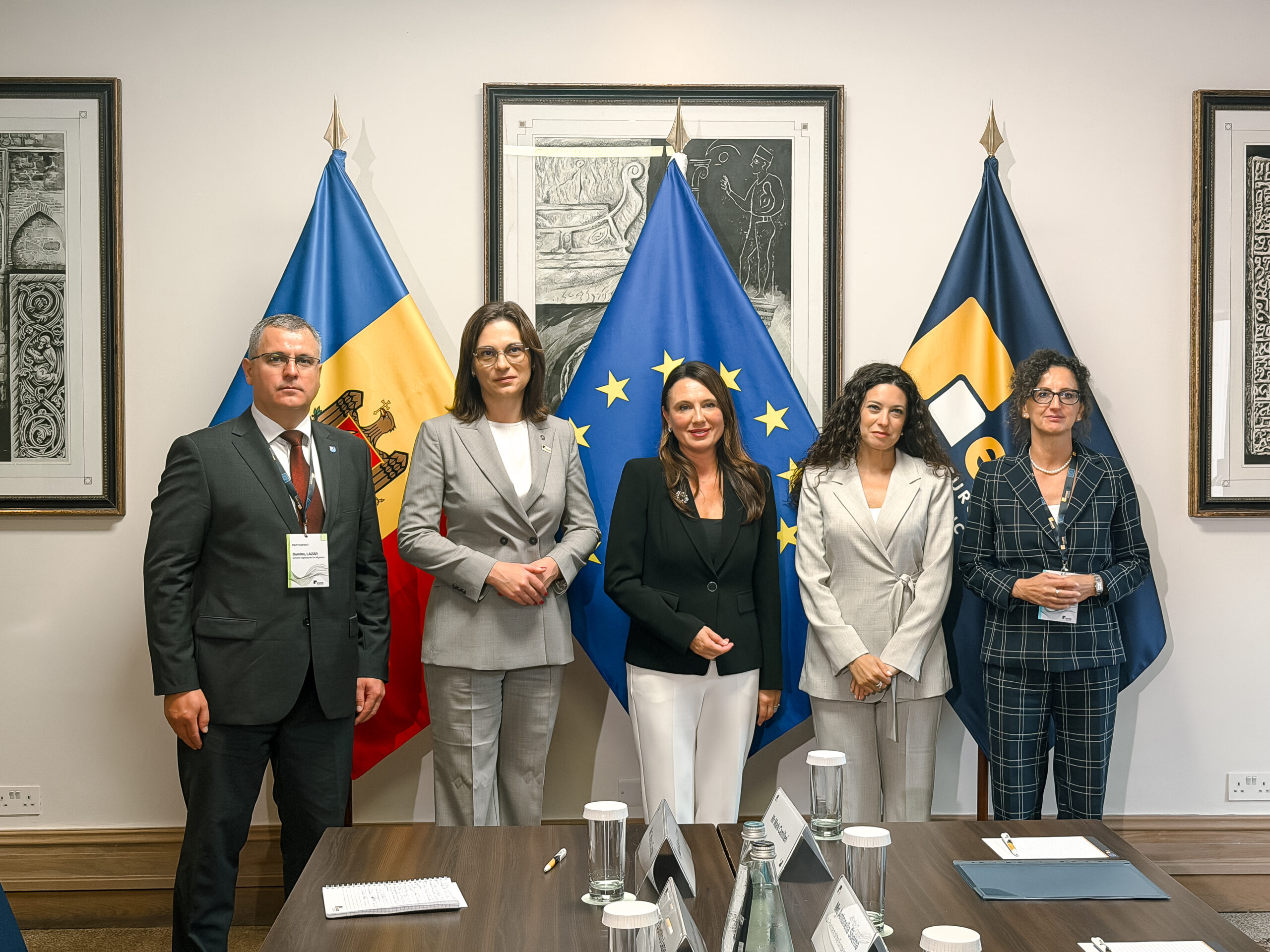
Moldova has strengthened its cooperation with European institutions in the field of migration and asylum at the European State of Asylum Conference, held in Malta. The Moldovan delegation was led by the Minister of Internal Affairs, Daniella Misail-Nichitin.
Organised by the European Union Agency for Asylum (EUAA), the conference brought together high-level representatives of European institutions, Member States, international organisations and experts at a critical moment for European migration policy: the first months of implementation of the new EU Pact on Migration and Asylum. Discussions focused on how the new European framework is being put into practice, the progress achieved so far and the challenges that remain.
Key topics included the functioning of the new Common European Asylum System, border procedures, the management of irregular migration and returns, the protection of vulnerable persons, and the digitalisation of asylum systems. Particular attention was also given to new technologies, including artificial intelligence, and to their potential to make procedures more efficient while ensuring full respect for fundamental rights and safeguards.
The discussions took place against a backdrop of increasingly complex pressures on Europe’s external borders. Recent developments, including the large-scale influx of migrants into Ceuta, have demonstrated how quickly border control, reception, asylum and return systems can come under pressure. They have also highlighted the need for a coordinated European response, closer cooperation with countries of origin and transit, and effective readmission mechanisms.
For Moldova, the discussions in Malta are directly linked to the country’s EU accession process. Migration, asylum and border management are key components of Chapter 24 – Justice, Freedom and Security. The current priority is to move from legislative alignment towards effective implementation, stronger institutional capacity and tangible operational results.
Moldova presented the progress achieved in decentralising asylum procedures, strengthening the territorial structures of the General Inspectorate for Migration, developing joint procedures with the Border Police, and digitising migration management. At the same time, the national temporary protection system for displaced persons from Ukraine is being aligned with the evolving European framework, while the authorities are working to further improve asylum, return and readmission procedures.
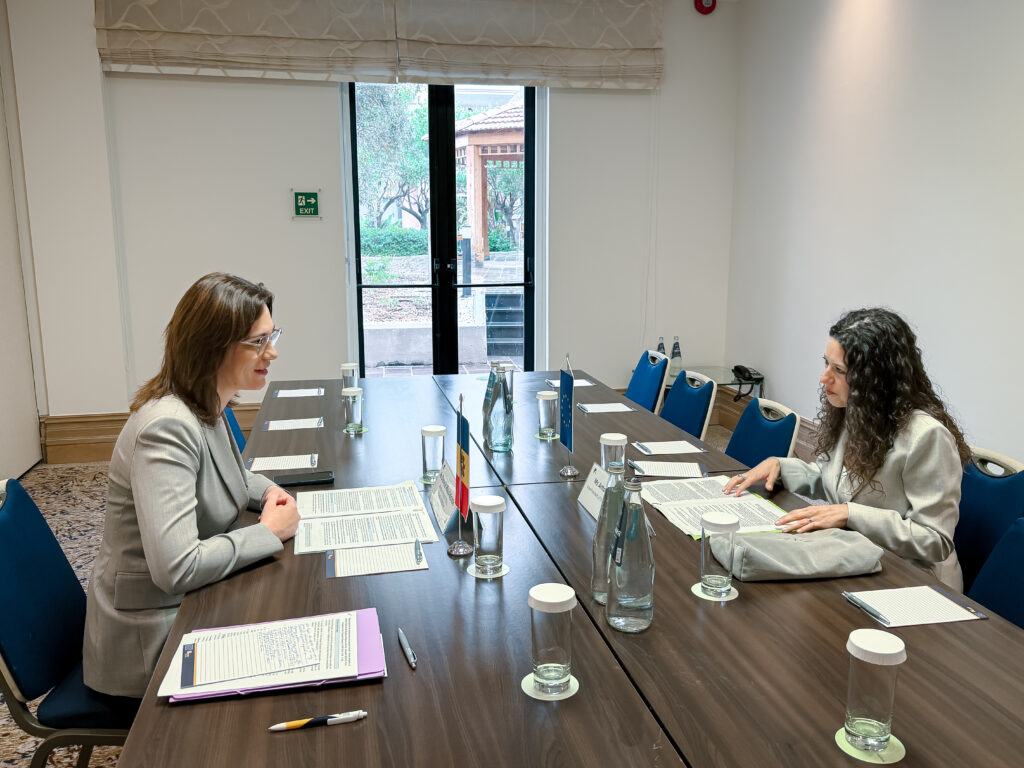
A key outcome of Moldova’s visit to Malta was the strengthening of cooperation with the EUAA. During a meeting with EUAA Executive Director Nina Gregori, Minister Misail-Nichitin discussed the new Republic of Moldova – EUAA Cooperation Roadmap. The Roadmap will support the modernisation of the national asylum system, improvements in reception conditions, the protection of vulnerable persons, professional training and the alignment of national practices with the Common European Asylum System.
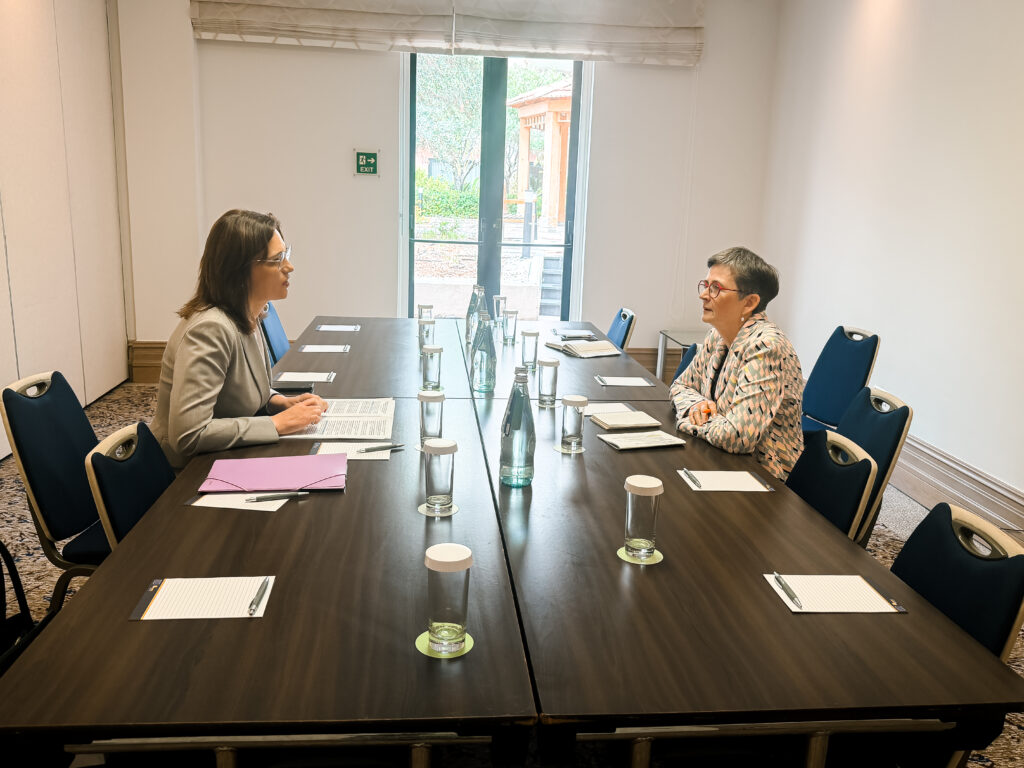
On the sidelines of the conference, Minister Misail-Nichitin also met with Antonella Sberna, Vice-President of the European Parliament, and Birgit Sippel, Member of the European Parliament and Chair of the LIBE Committee’s Working Group on Asylum. Discussions focused on the security challenges facing Moldova in the current regional context and on strengthening institutional capacities for border monitoring and protection.
The Minister outlined Moldova’s needs, including the development of surveillance capabilities, and requested European support in this area. Antonella Sberna reaffirmed her support for Moldova and willingness to advocate for these efforts at European level. The discussions also covered Moldova’s progress on its European path and priorities for the next stage, including border security along the Ukrainian border, the development and interoperability of information systems, and strengthening the capabilities required to effectively manage security risks.
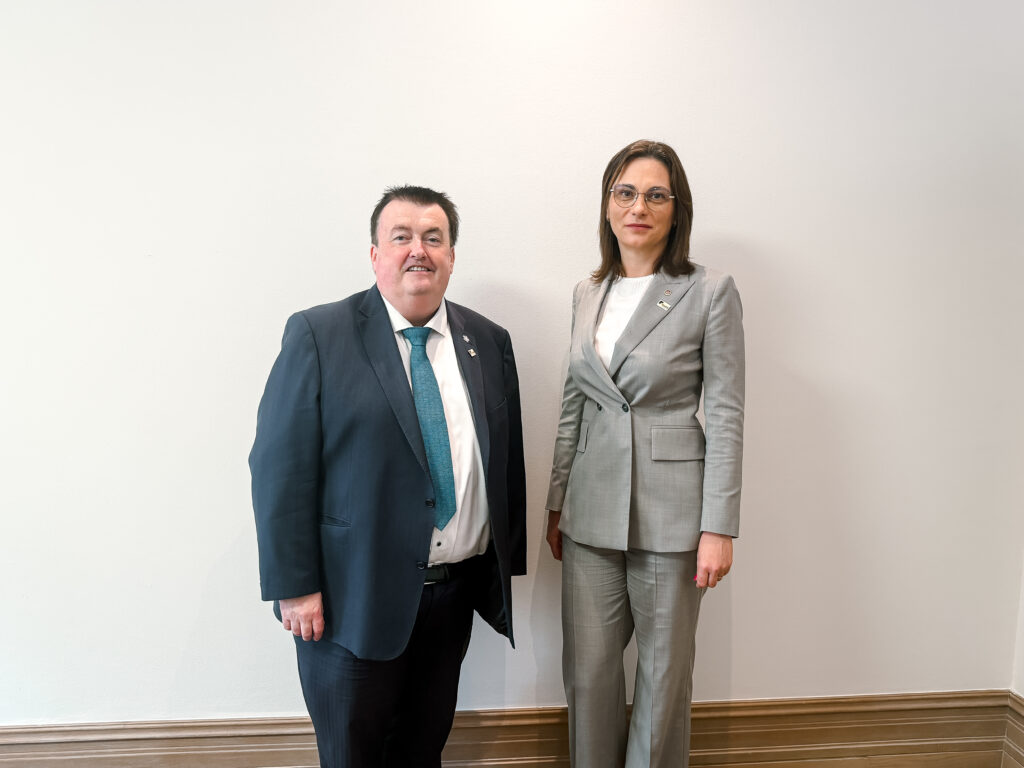
In discussions with Colm Brophy, Ireland’s Minister of State for Migration, the country currently holding the rotating presidency of the Council of the European Union, the focus was on implementation of the European Pact on Migration and Asylum, cooperation on return and readmission, combating migrant smuggling networks, and preparing Moldova for gradual integration into European border and migration management mechanisms.
In a regional context where some migration flows have declined while the methods used by migrant smuggling networks have become increasingly sophisticated, Moldova is working to develop a migration and asylum system compatible with the European framework – one that combines effective border security and procedures with the appropriate protection of people in need.
Moldova’s message at the EUAA State of Asylum Conference was that the next stage of European integration in this area must focus on the effective implementation of reforms, interoperability and the capacity of national institutions to apply European Union standards in practice.
The EU Pact on Migration and Asylum establishes a new European framework for managing migration, including common rules on border management, the examination of asylum applications, support for Member States under migratory pressure, and the return of persons who do not have the right to stay. The framework also provides stronger safeguards for vulnerable persons and reinforces the protection of fundamental rights. Its provisions became fully applicable on 12 June 2026.