
An increasing number of crimes involve digital technology, while data relevant to investigations may be held by companies or stored on servers in other countries. Obtaining such data can take time, and in the meantime, information may be lost or deleted.
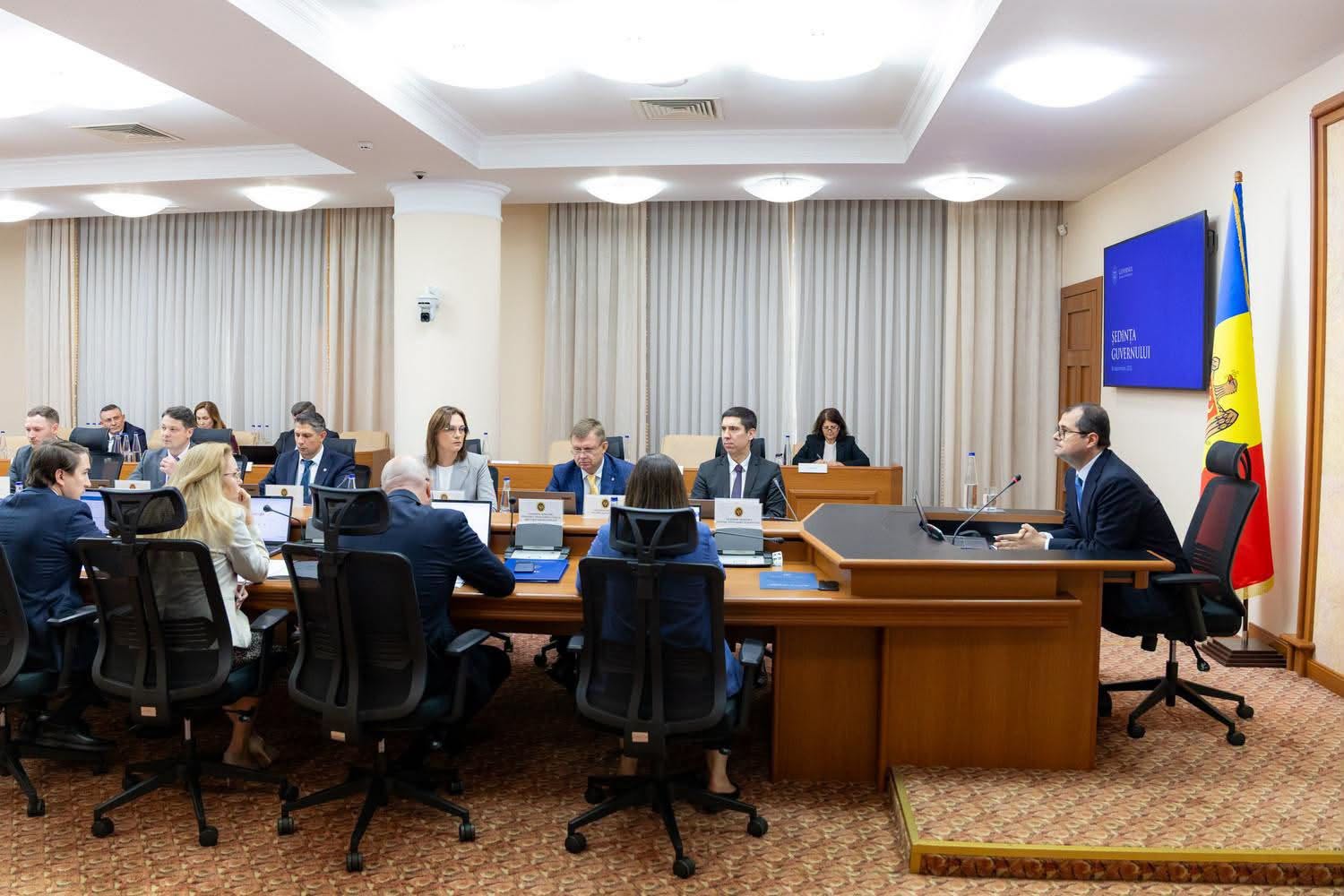
To address this challenge, the Cabinet of Ministers has approved amendments to the legislation to bring it in line with the Second Additional Protocol to the Budapest Convention on Cybercrime. The new rules will allow police and prosecutors to obtain information about user accounts, internet domains and other data needed for investigations more quickly, including from other countries.
In urgent cases involving a significant and imminent risk to a person’s life or safety, requests may be submitted through 24/7contact points without having to follow the standard procedure for international legal assistance. For certain urgent requests addressed to service providers in the Republic of Moldova, the requested data must be provided immediately, but no later than 96 hours, provided that the applicable legal requirements are met.
The authorities will be able to determine more quickly who has registered an internet domain, including a domain registered in another country. For the ‘.md’ domain, clear rules will govern requests submitted by foreign authorities. In investigations involving several countries, police officers and prosecutors will be able to work together on the same case.
Requests will be transmitted through secure channels, whilst safeguards for individual rights and data protection will remain in place. For investigators, the new mechanisms will mean faster access to evidence and information needed to establish the facts. For the public, this will support a more effective law-enforcement response in cases where investigations depend on data held in the digital environment.
The new rules will be implemented through existing institutional structures and will enter into force on 1 January 2027. The measure is included in the National Programme for EU Accession, under Chapter 24 – Justice, Freedom and Security.
