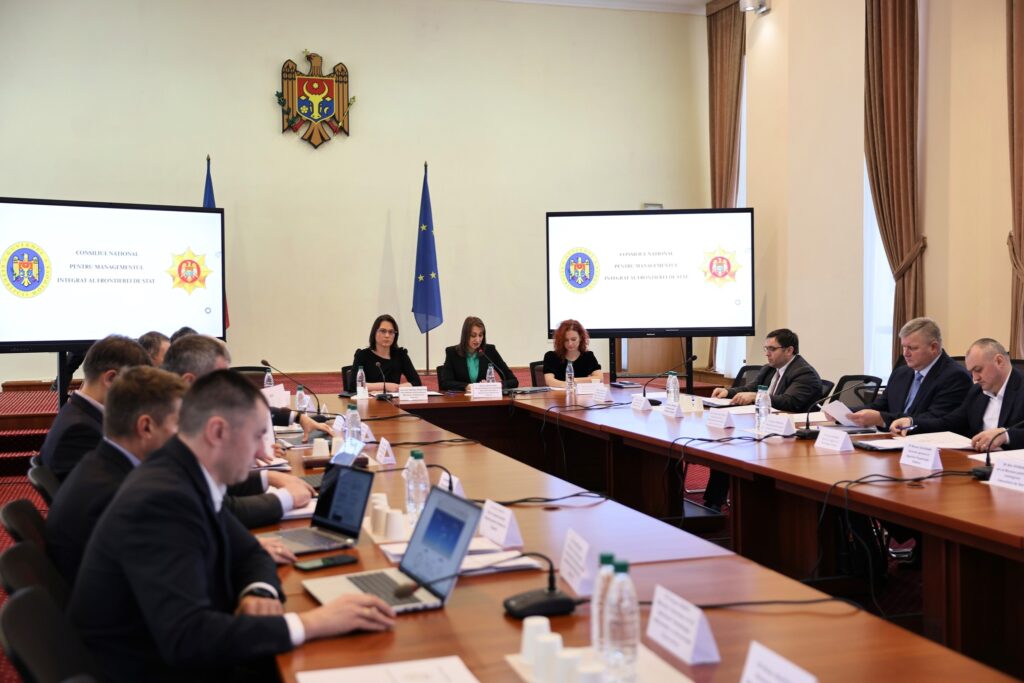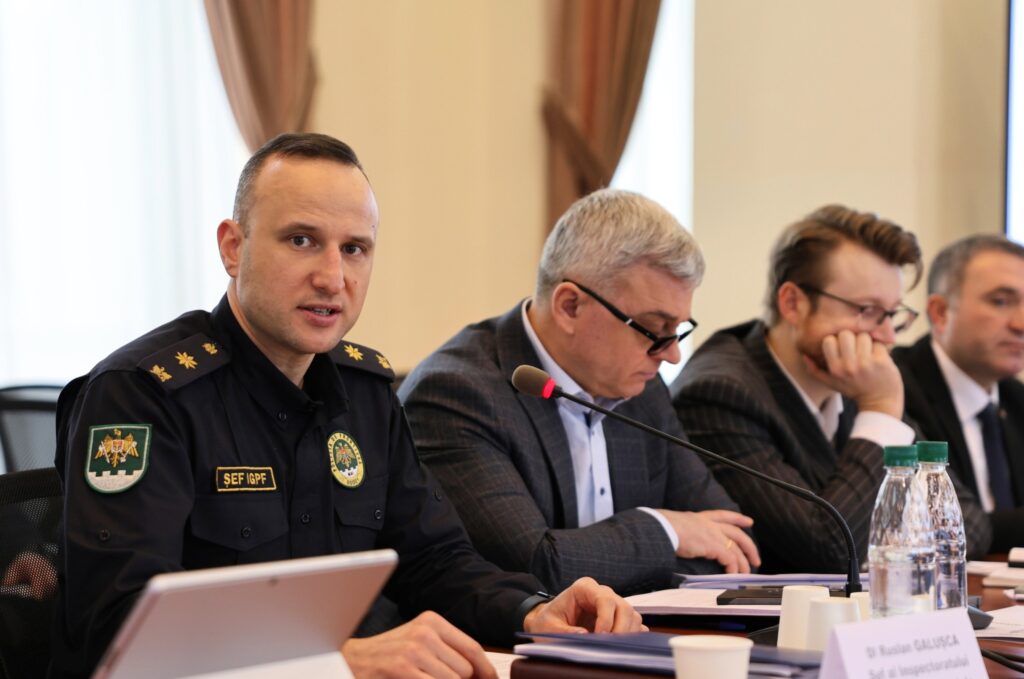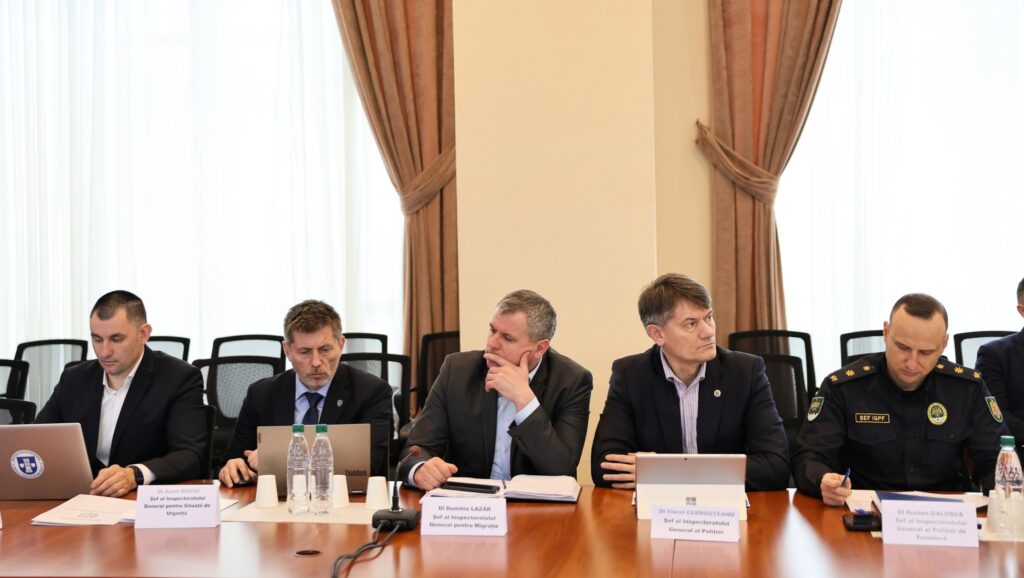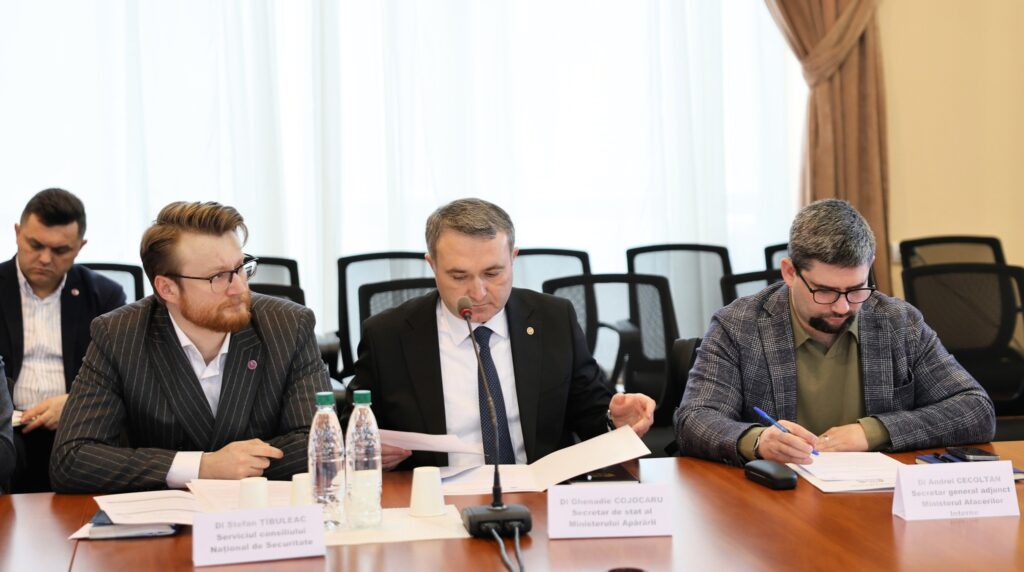
The National Council for Integrated State Border Management convened to assess the implementation of the 2022 – 2025 Program and set priorities for 2026 – 2030, against a regional backdrop shaped by the war in Ukraine and increasingly complex cross-border risks.
The Chair of the Council, Minister of Internal Affairs Daniella Misail-Nichitin, emphasized that over the past four years, Moldova’s border has evolved from a simple control line into an integrated system of security and resilience. This transformation has strengthened inter-institutional cooperation and enhanced crisis response capacity.
The assessment of the 2022 – 2025 Program shows that 87% of the 110 indicators have been achieved. As a result, national authorities have strengthened their capacity to prevent and combat cross-border crime and smuggling, while better protecting the economy and local communities. For citizens, these improvements translate into shorter processing times at border crossing points, wider use of risk analysis, more efficient information exchange, and increased digitalization of services, including through the E-Permit system. The expansion of surveillance systems to 26% of the state border, alongside enhanced cooperation with neighbouring countries, has contributed to smoother traffic flows and improved safety.
The new 2026 – 2030 Program is aligned with Chapter 24 Justice, Freedom, and Security and reflects the recommendations of the European Commission. It prioritizes investments in infrastructure, modern technologies, human resources, and interinstitutional cooperation, ensuring that security is strengthened without hindering mobility or legitimate economic activity.
The Ministry of Infrastructure and Regional Development will continue modernizing transport corridors, as well as airport and port infrastructure. At the same time, the Customs Service will further upgrade border crossing points and facilitate legitimate trade through advanced technologies and streamlined procedures.
A key component of the new phase is the establishment of the National Quality Control Mechanism. This mechanism will monitor the implementation of decisions, support self-assessment against European standards and prepare institutions for future Schengen evaluations. It will contribute to continuous improvements in equipment, personnel capacity, and operational processes.
Through these measures, Moldova is consolidating its border as a secure space for citizens and economic partners, strengthening national security, resilience, and the country’s European path.