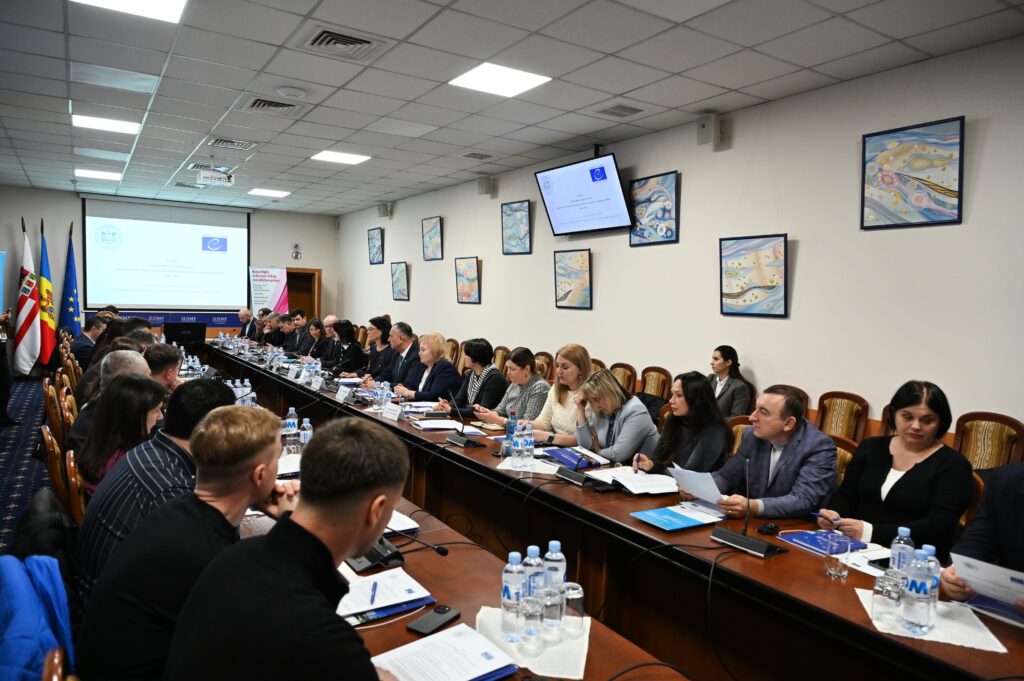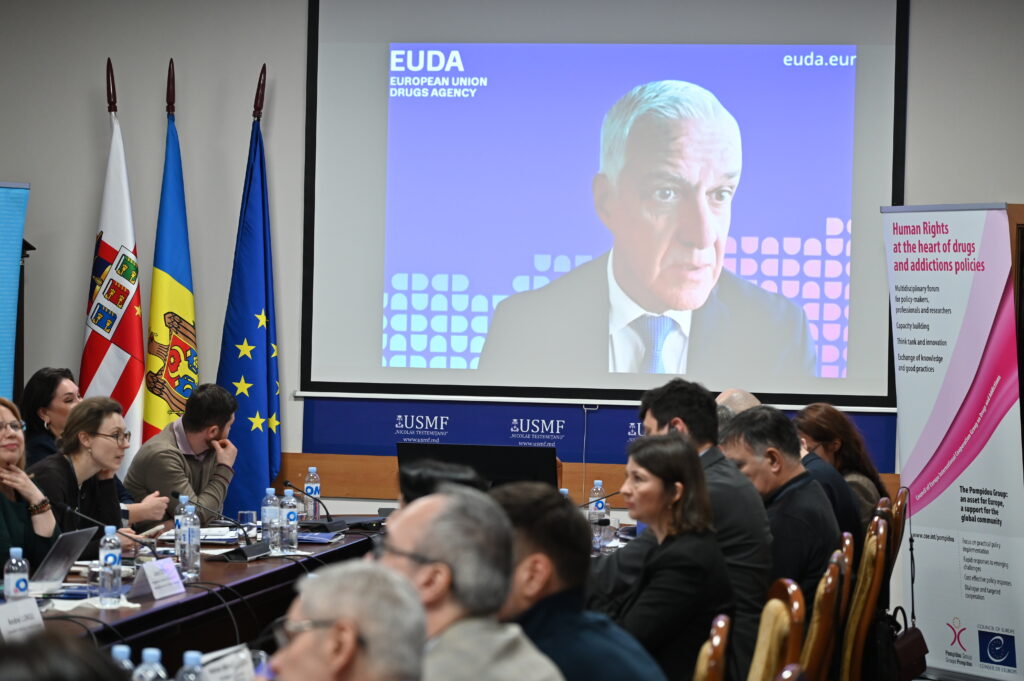
Drug trafficking and drug use remain among the most serious threats to public security, public health, and social cohesion. In response, the Ministry of Health convened the first meeting of the multisectoral working group responsible for drafting the National Strategy on Drugs and Addictions (NSDA) for the period 2026 – 2032. This meeting marked an important step toward the development and modernization of national policies in this field.
The new strategy will focus on: strengthening prevention, early warning, and response measures related to emerging drug types; preventing the involvement of children and young people in drug use and trafficking; combating organized crime and drug-related offences; improving access to treatment and rehabilitation services while reducing stigma, discrimination, and barriers to care; and applying a human rights–based approach grounded in social and gender equity, community engagement, and respect for international commitments, including those linked to the European Union accession process.
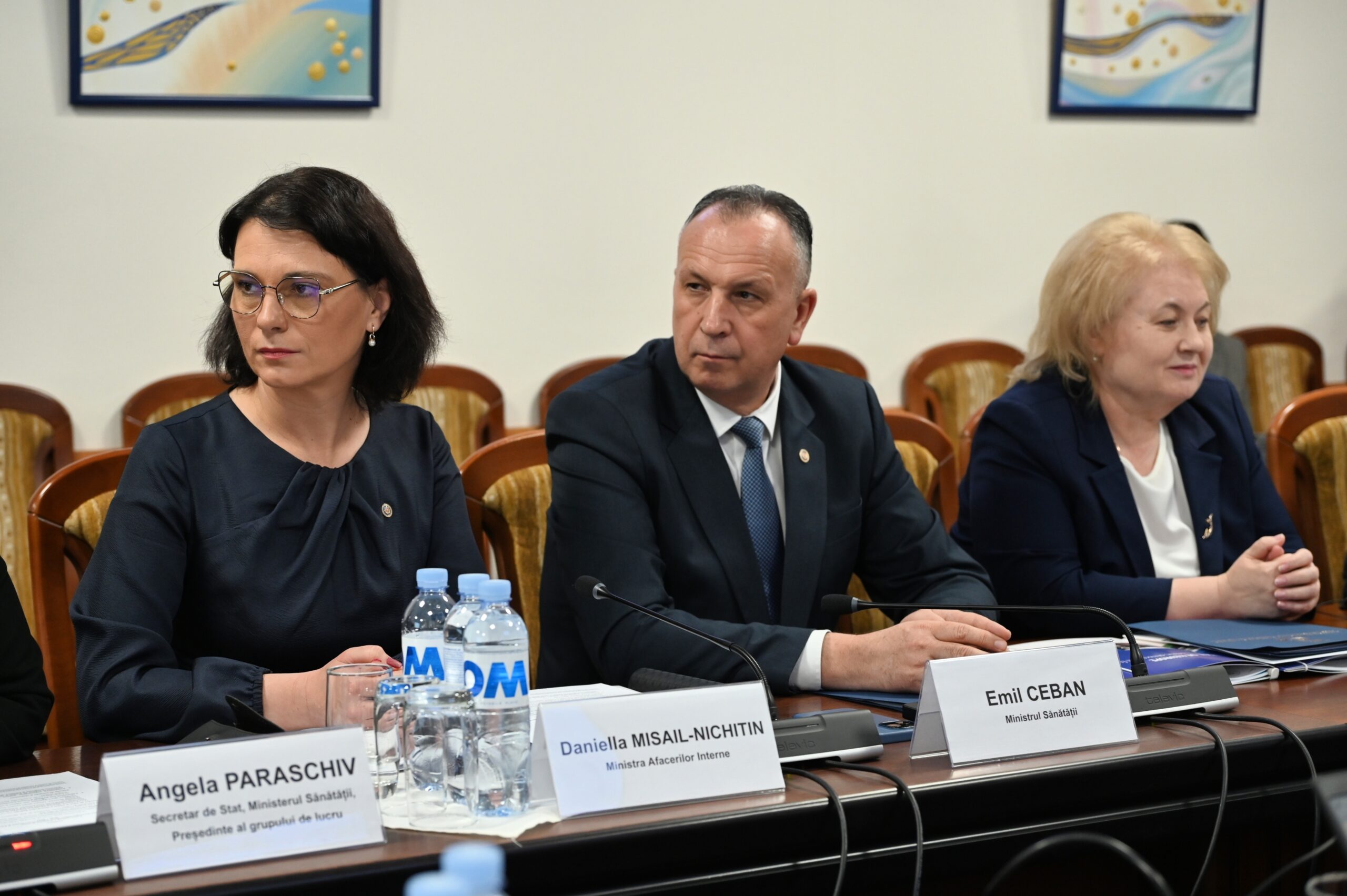
The meeting was attended by the Minister of Internal Affairs, Daniella Misail-Nichitin; the Minister of Health, Emil Ceban; the Director of Social Rights, Health and Environment (DGI) of the Council of Europe, Rafael Benitez; the Deputy Head of the Council of Europe Office in Chișinău, Vedran Jan-Kjeldsen; as well as other representatives of relevant institutions.
“In recent years, Moldova has made significant progress in modernizing its drug policy framework. Law No. 201/2025 regulates the circulation of narcotic drugs, psychotropic substances, and new psychoactive substances. At the same time, the National Early Warning System is being established as a vital instrument for the rapid identification of emerging risks and the protection of public health”, stated the Minister of Health, Emil Ceban.
From the perspective of the Ministry of Internal Affairs, it is essential that the National Strategy be structured on three core pillars:
- Reducing drug demand through a strong emphasis on primary prevention and early, proactive interventions, particularly targeting children and young people, with the objective of preventing the initiation of drug use. Information campaigns, education in schools and communities, and the development of life skills must become central instruments of public policy.
- Reducing the risks associated with drug use and protecting vulnerable groups through close cooperation between law enforcement agencies, the health system, and social services. A modern approach requires the police to act not only as a control authority, but also as a partner in facilitating access to harm reduction services. This contributes to reduced stigmatization and improved public health. At the same time, adequate protection measures must be ensured for personnel working in high-risk environments.
- Reducing the supply of drugs, reflecting Moldova’s commitment to combating organized crime, including transnational criminal networks. Efforts will focus on strengthening professional capacities, continuously aligning the regulatory framework with European Union standards, enhancing international cooperation, and developing advanced investigative capabilities, including in the online environment, where criminal networks are increasingly active.
“Particular emphasis must be placed on the protection of minors, which remains a cross-cutting priority across all these pillars. Data and operational experience clearly demonstrate that early prevention and coordinated intervention are decisive in curbing the spread of this phenomenon”, stated the Minister of Internal Affairs, Daniella Misail-Nichitin.
The development of the National Strategy on Drugs and Addictions for 2026–2032 is supported by the Council of Europe through the project Supporting the Republic of Moldova in addressing the risks and negative effects related to drug use and addictive behaviours. The project is implemented by the Pompidou Group Secretariat and financed under the Council of Europe Action Plan for the Republic of Moldova 2025–2028. Moldova has been a member of the Pompidou Group since 2012.