
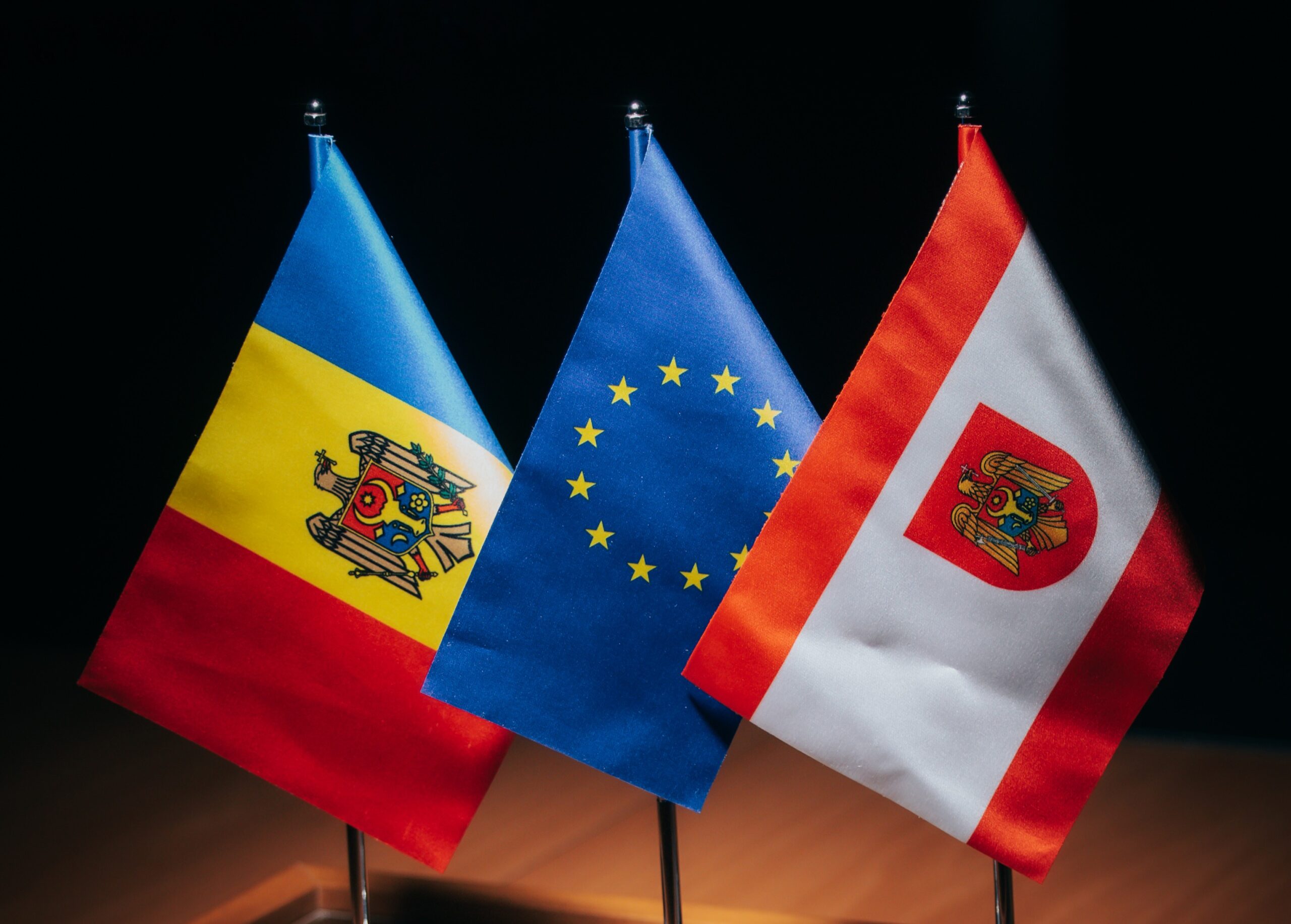
The European Commission has published its fourth annual report on the Republic of Moldova’s progress in the European Union accession process, as part of the 2026 Enlargement Package. The report acknowledges significant progress in implementing reforms under Chapter 24 ‘Justice, Freedom and Security’, coordinated by the Ministry of Internal Affairs, and outlines the priorities for the next stage of the accession process.
The report highlights important advances in strengthening international police cooperation, combating organized crime and human trafficking, managing borders, migration and asylum, and developing a national framework for the protection of critical infrastructure. The Commission also notes improvements in the quality of statistical data in areas such as organized crime, money laundering, cybercrime, and the illicit trafficking of drugs and firearms.
The European Commission also recognizes the strengthened cooperation between the institutions of the Ministry of Internal Affairs and European law enforcement agencies. Between 2024 and 2025, Moldova took part in 154 operational actions under the EMPACT, representing an increase of approximately 50% compared with 2023.
The report further highlights the results achieved in tackling organized crime. The number of investigations rose from 57 in 2023 to 206 in 2025, while the number of convictions reached 108, the highest figure recorded in the past three years.
Another important achievement is the approval of sectoral policy documents for the 2026–2030, setting out strategic priorities for the development of key areas, including combating organized crime, maintaining public order and safety, civil protection, and migration and border management.
The Commission also welcomes the adoption of new legislation on international police cooperation and the subsequent regulatory framework governing information exchange with EU law enforcement authorities. The report further acknowledges the adoption of legislation to prevent and combat the sexual exploitation and abuse of children, including online, the ratification of the Second Additional Protocol to the Convention on Cybercrime, and the launch of a national platform enabling citizens to report cybercrime incidents.
Progress has also been made in strengthening integrated border management. This includes the development of the Passenger Information Unit, which analyzed data from 30 air carriers in 2025, covering more than 5.7 million passengers and 39,000 flights. Meanwhile, the General Inspectorate of the Border Police has strengthened its operational capacity by increasing its staffing levels, bringing its staff occupancy rate to 93%. The Commission also notes the modernization of the legal framework on migration and asylum, as well as the extension of temporary protection for displaced persons from Ukraine until March 2027.
Another significant development is the implementation of the new framework for the protection of critical infrastructure, which includes the approval of a risk assessment methodology and the critical thresholds linked to the cross-sectoral criteria for designating national critical infrastructure.
The European Commission’s positive assessment recognizes the progress achieved, while also providing direction for the next stage of the accession process. The priority now is to deliver tangible and sustainable results that improve citizens’ safety and bring Moldova closer to European standards.
European integration is about more than meeting benchmarks and adopting legislation. It is about making a real difference in people’s daily lives through greater security, more effective institutions, better public services and respect for the rights of every citizen.
