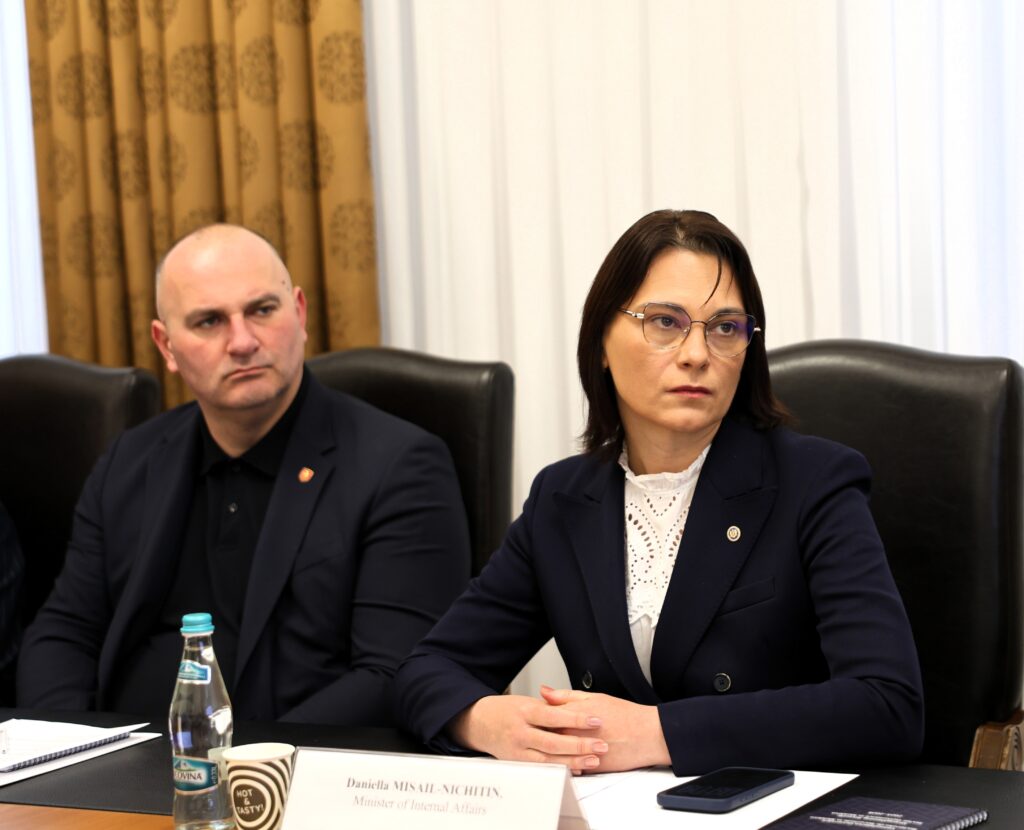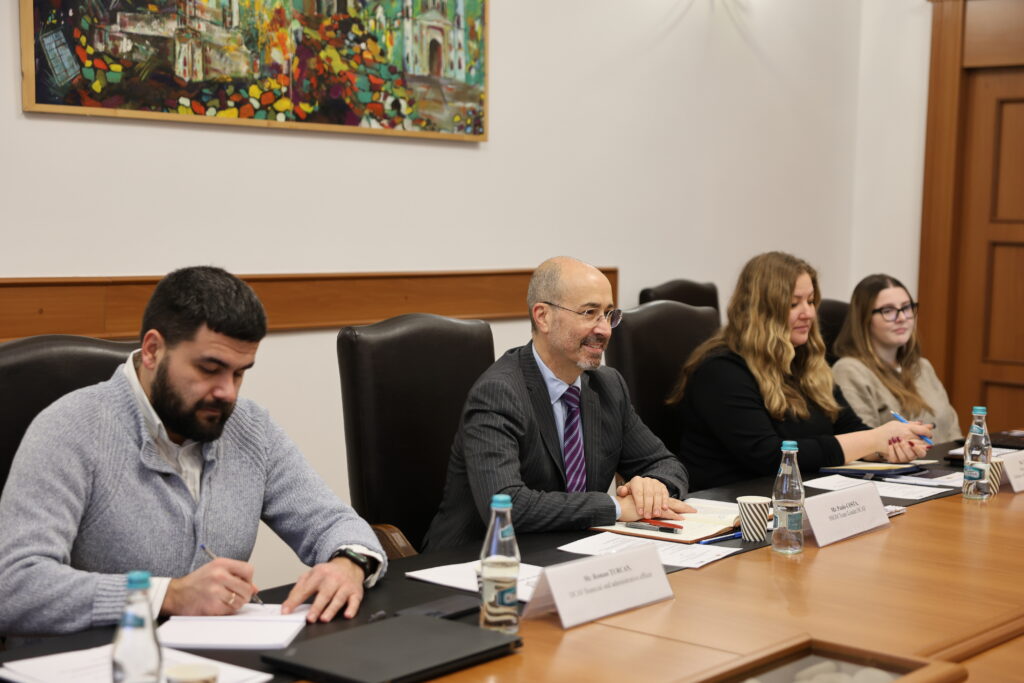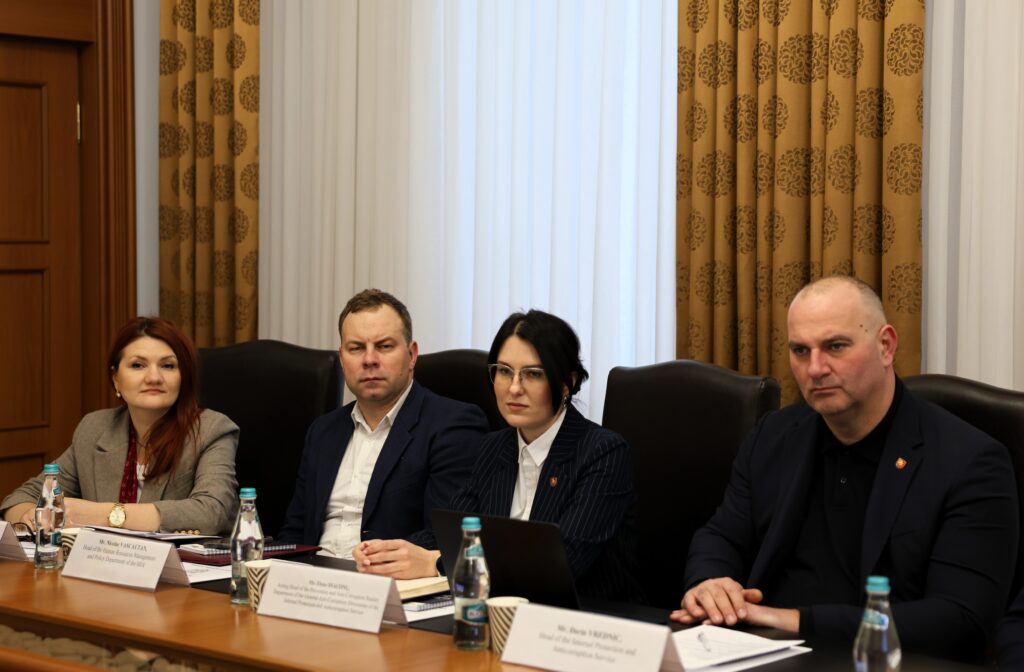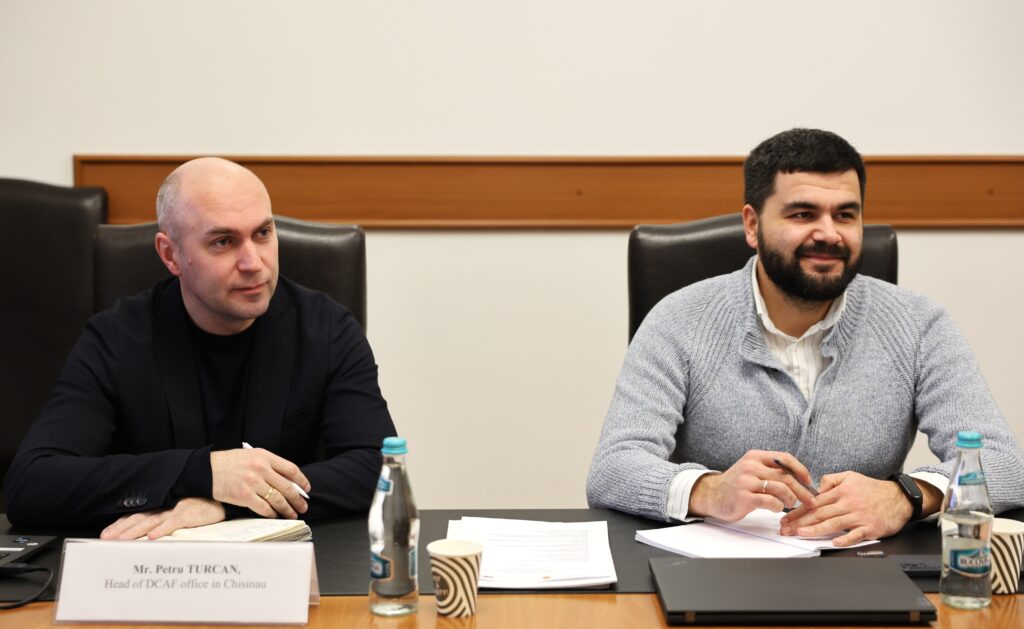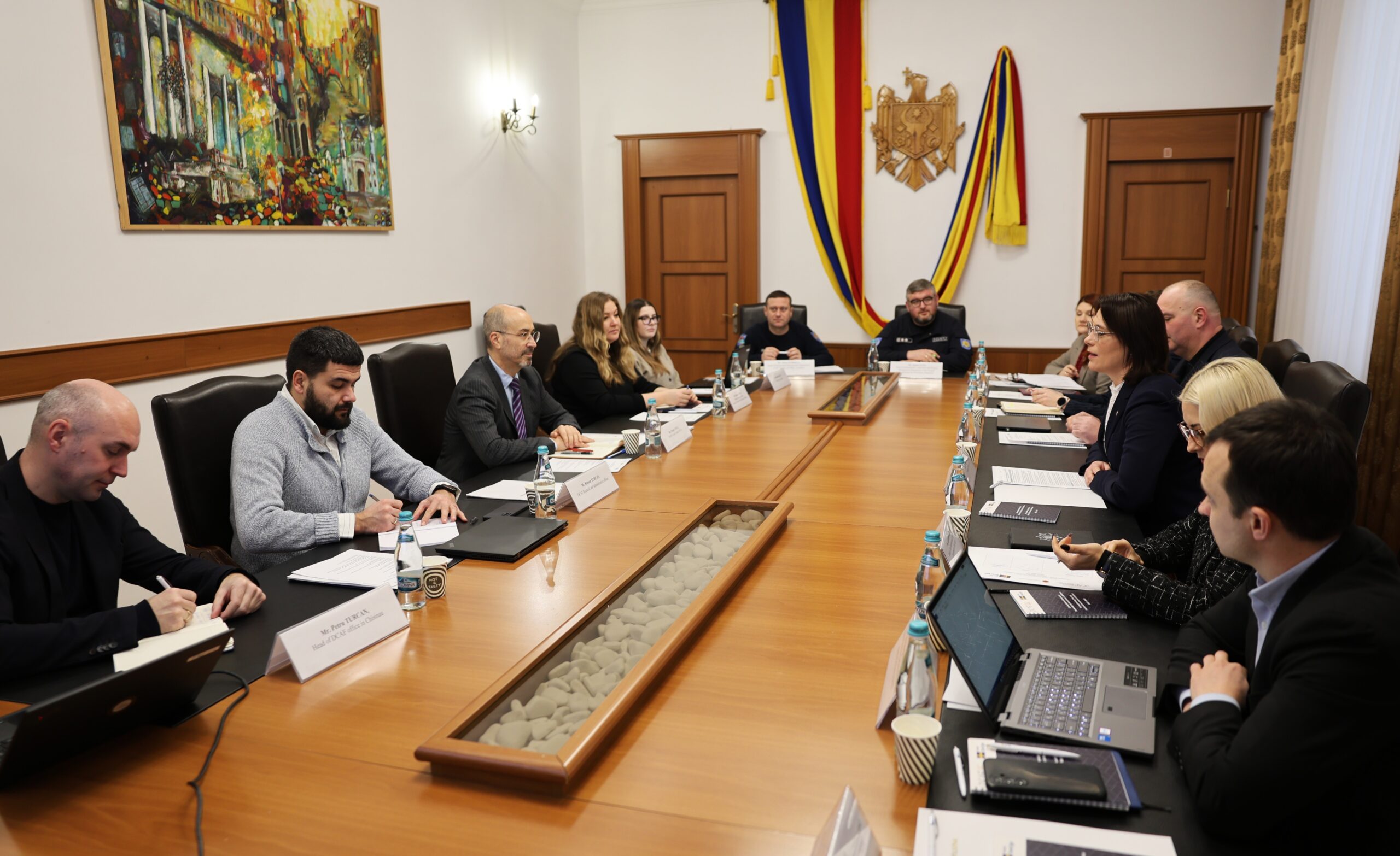
The Ministry of Internal Affairs is strengthening its strategic partnership with the Geneva Centre for Security Sector Governance (DCAF) with the aim of translating reforms in internal affairs sector into tangible benefits for citizens – modern public services and enhanced capacity to respond to population’s needs.
At the Steering Committee meeting, participants reviewed progress achieved in 2025 and set cooperation priorities for 2026, in the context of Moldova’s European integration path and the commitments undertaken within the internal affairs reform process.
Throughout 2025, cooperation between the Ministry of Internal Affairs and DCAF supported the development and operationalization of strategic planning, advisory, and mentoring mechanisms in key areas, as well as the training of target groups within the Ministry and its subordinate institutions. The partnership also contributed to the drafting of sectoral strategic documents for 2026 – 2030, ensuring coherence and continuity in the reform process.
A key pillar of cooperation focused on strengthening institutional capacities in areas such as integrity and corruption prevention, security sector governance, project management, and the implementation of international recommendations. In parallel, institutional protection mechanisms were reinforced and actions under Women, Peace, and Security Agenda were supported.
Support provided to the General Inspectorate for Emergency Situations aimed at enhancing staff professionalism, improving operational response capacities, strengthening national disaster risk assessment and implementing measures to prevent risks to the population.
Modern tools for preventing and combating corruption were also developed, with a focus on integrity risk management, staff training, and the transposition of international recommendations into institutional practice.
Another outcome was the expansion of the project portfolio management system, enabling the Ministry of Internal Affairs to plan, monitor, and evaluate projects in a unified manner, optimize the use of resources and ensure effective implementation of ongoing initiatives.
For 2026, the parties have agreed to continue cooperation through a joint action plan focused on the phased implementation of reforms, preparing institutions for the requirements of the European Union accession process, and aligning national legislation with the European acquis.